Ice ages
Ice ages
Are we still in one? Official pages do not all use the words the same way. This desk keeps their sentences intact, and looks at the marks ice has left behind.
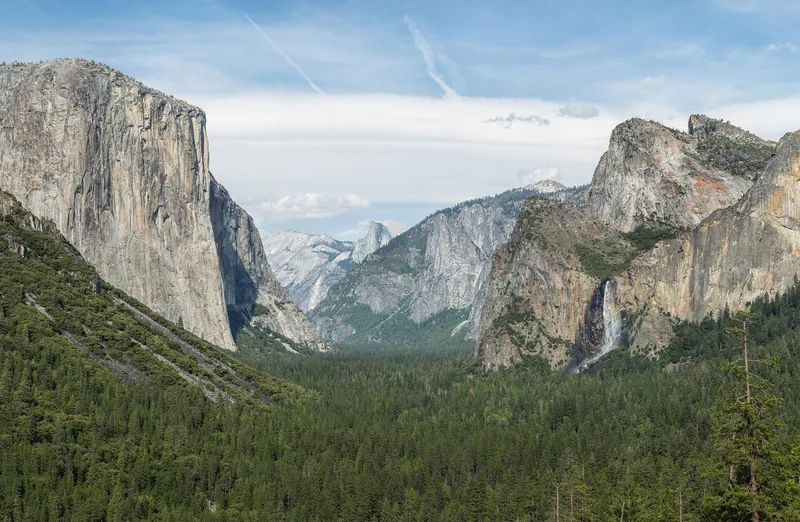
Two official sentences, and a refusal to average them
NASA Earthdata, in an article dated 28 December 2020, says: “Correctly speaking, Earth remains in an ice age.” The same page says today is an interglacial, “a relatively warmer period of the current ice age.” [source] A USGS Water Science School image, dated 28 January 2019, is titled: “We're not in an ice age at the moment, but ice caps are still present.” [source]
Those are both official wordings. This desk keeps them on the same table, dated, and does not blend them into a single clever sentence. The interesting fact is not which office “wins.” It is that the word “ice age” is being used in more than one official way.
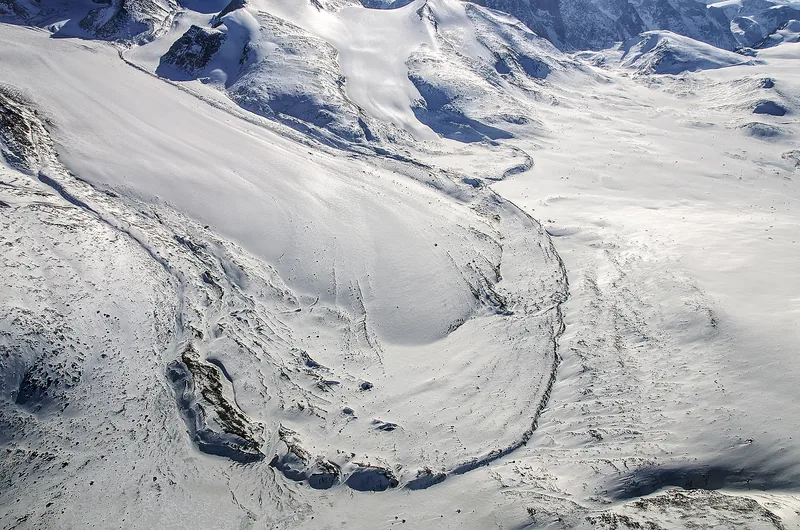
What nobody is arguing about is the ice itself. At the last glacial maximum, about 20,000 years ago, official pages agree that ice reached far into Europe and North America, and that the sea was much lower — “about 125 meters” on one USGS fact sheet, “more than 400 feet” on a USGS FAQ, “400 feet lower” on NASA Earthdata. [source] [source] [source] Those figures stay in their own sentences, on the last glacial page.
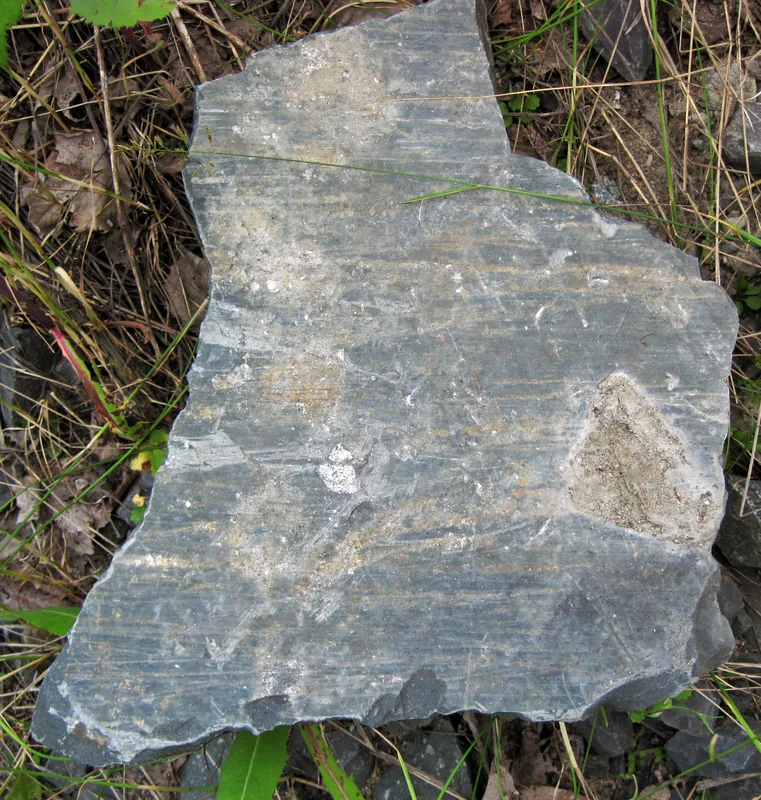
Some marks are much older than that official “about 20,000 years.” A credited photograph of tillite near Temagami, Ontario, is captioned as a Gowganda Formation deposit, “~2.3 billion year old… representing a very ancient Ice Age,” later scratched again by Pleistocene ice. That is a file caption, and it is labelled as one.
A short later cold interval, the Little Ice Age, has its own official spans — and they do not quite match either. Polar ice-cap climates, and the official temperature records of Antarctica, live at polar.climates.im. Present-day climate change has its own site at climate-change.climates.im.
Enjoyed a desk of official ice-age wording, unblended, and the marks glaciers still leave?
No pop-ups. No intrusive advertising. Just interesting stuff. A little support helps the next climates.im site get built.