A later, shorter cold interval
The Little Ice Age
The Met Office conventionally gives the 16th to the 19th centuries. NASA has used a looser 14th-to-19th-century wording. The Maunder Minimum, 1650–1710, is a phase inside that interval.
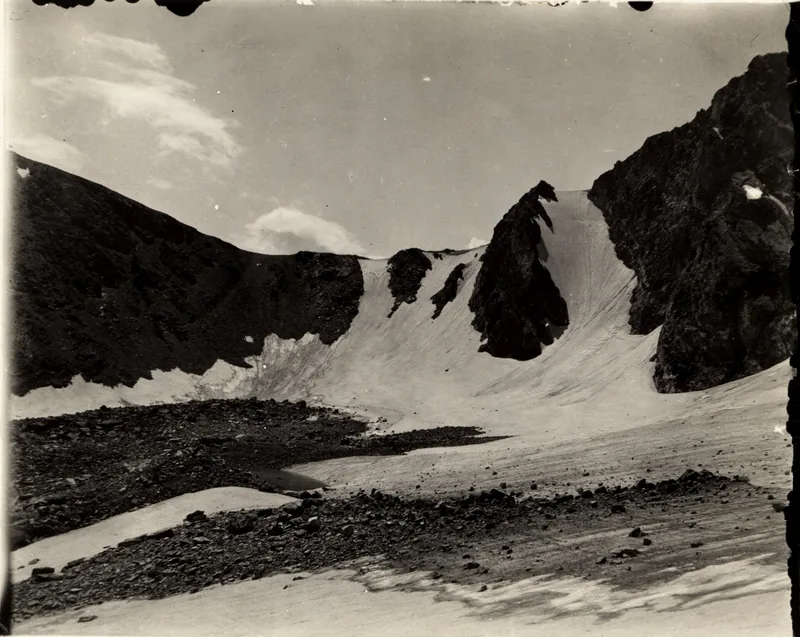
The Little Ice Age is a later, shorter cold interval, and official pages do not all give it the same span.
The Met Office’s Factsheet 5 — White Christmas, in its 2025 edition — says: “The Little Ice Age was a period of cooling which was particularly pronounced in the North Atlantic Region. It has conventionally been defined as extending from the 16th to the 19th centuries with particularly cold intervals beginning in about 1650, 1770 and 1850 with periods of slight warming in between.” The same factsheet lists possible contributors, including significant volcanic eruptions, cyclical lows in solar radiation, changes in ocean circulation and the natural variability of the global climate, and describes Thames frost fairs between 1607 and 1814. [source]
A NASA news release on a soot study uses a looser official span. It calls the Little Ice Age “loosely defined as a cooler period between the 14th and 19th centuries,” marked by an expansion of mountain glaciers and a drop in temperatures in Europe of nearly 1.8 degrees Fahrenheit (1 degree Celsius). The same release discusses the retreat of mountain glaciers in the European Alps that began in the 1860s, “a period often thought of as the end of the Little Ice Age.” [source] That 14th-to-19th-century wording is not edited here to match the Met Office’s 16th-to-19th-century convention.
NASA Earth Observatory, in an Image of the Day dated 15 November 2006, describes a phase inside that longer interval, not the whole of it: “From 1650 to 1710, temperatures across much of the Northern Hemisphere plunged when the Sun entered a quiet phase now called the Maunder Minimum.” “Already in the midst of a colder-than-average period called the Little Ice Age, Europe and North America went into a deep freeze.” [source] The Maunder Minimum, on that official page, is 1650–1710, inside the Little Ice Age, not a synonym for it.
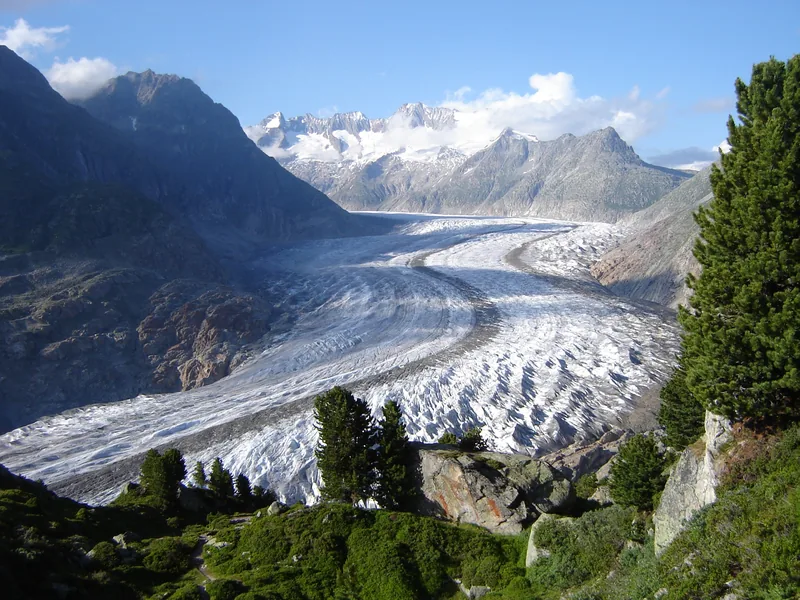
USGS Fact Sheet fs2-00 also names the Little Ice Age, as “a recent cold period” after which the climate has warmed. [source] It does not, in the wording opened for this desk, replace the Met Office or NASA spans. Present-day climate change remains a different site: climate-change.climates.im.
Enjoyed a desk of official ice-age wording, unblended, and the marks glaciers still leave?
No pop-ups. No intrusive advertising. Just interesting stuff. A little support helps the next climates.im site get built.