Discoveries
Unusual findings, and a photograph that had to be rescued from its title.
A tillite caption that points to a very ancient ice age, a Vostok team picture once labelled GISP2, and official pages that do not use “ice age” the same way.
Some of the oddest official, or officially captioned, facts about ice ages are not the famous 20,000-year date. They are disagreements about words, a mislabelled photograph, and a rock that remembers more than one ice age.
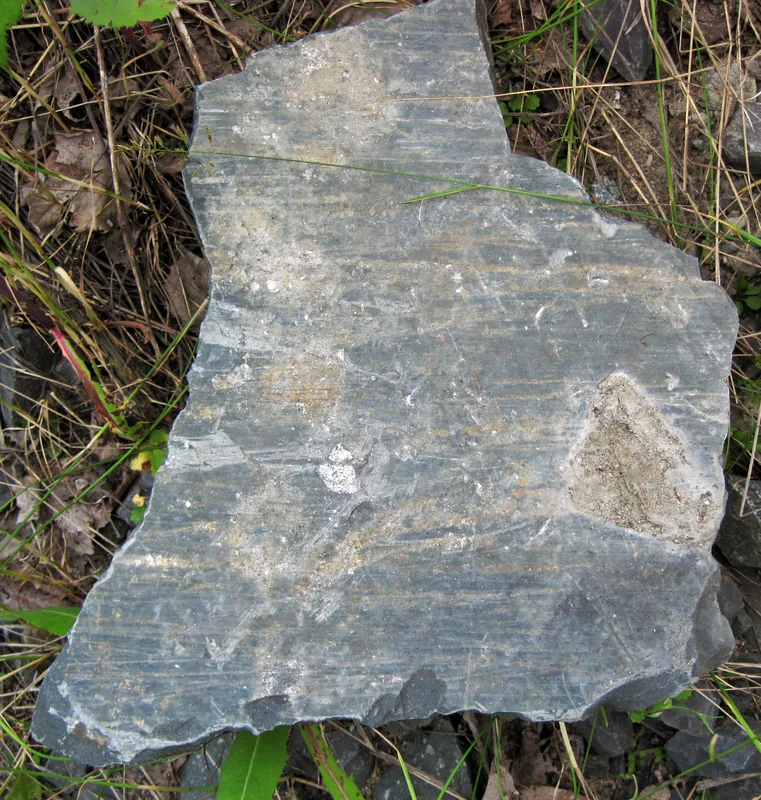
A file caption two billion years deep
James St. John’s photograph of striated tillite north of Temagami is captioned as Gowganda Formation, “a ~2.3 billion year old deposit in Ontario, Canada representing a very ancient Ice Age,” later eroded, smoothed and striated by Pleistocene ice. The file also offers a hypothesis about methane and rising oxygen. That is a credited file caption, not a USGS or NSIDC table, and it is one of the most unusual sentences this desk can honestly show.
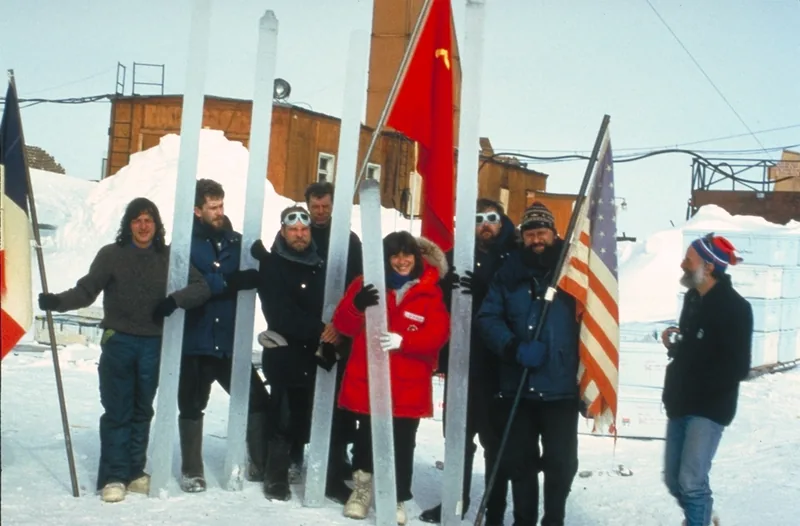
A team photograph that is not GISP2
The Wikimedia Commons title is “GISP2 team photo.” The file description is unusually blunt: “Source caption identifies this as being from GISP2. This actually is at Vostok.” The people in the frame, the same description says, are French, Soviet and American scientists with unprocessed ice cores. This desk follows the description, and treats the title as a documented mistake, not as a fact about Greenland.
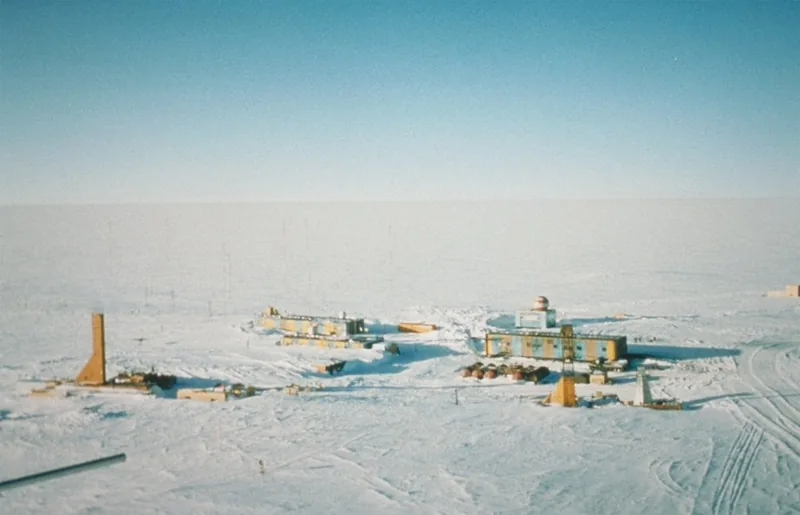
The camp itself, in Todd Sowers’s NOAA panorama, had caves dug into the ice sheet that kept cores at −55 °C year round. That official-looking figure is a file caption too, and it is labelled as one. Polar.climates.im keeps the station’s air-temperature record; this desk keeps the cores.
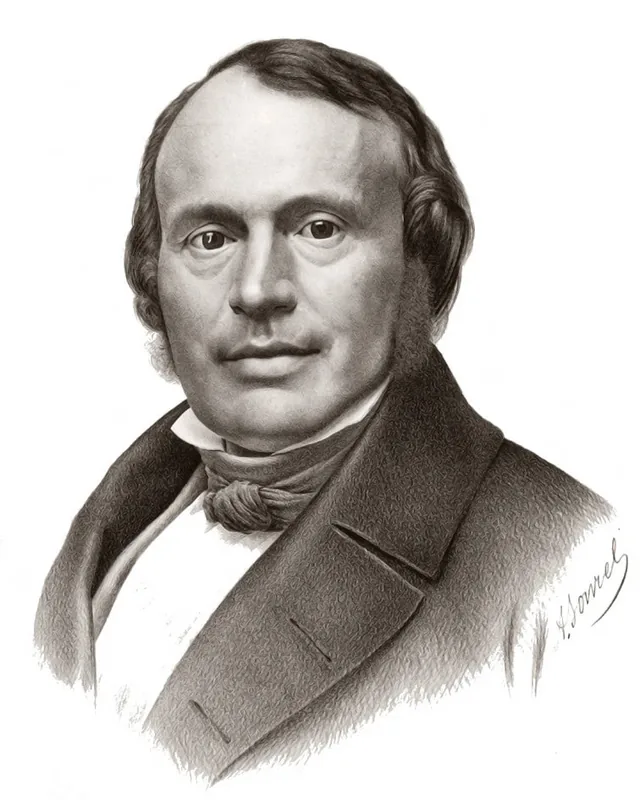
A portrait the file names, and no invented biography
Antoine Sonrel’s mid-19th century portrait is titled Louis Agassiz.jpg. The Commons description is in Russian and names Jean Louis Rodolphe Agassiz. The photograph is here because it is a real, credited historical portrait connected, by the file, to that name. This desk does not invent a life story around it.
The classroom sheet that simplifies the orbit
A NOAA GML classroom sheet says “The last ice age ended about 12,000 years ago,” and treats the orbital cause as Earth being closer to or further from the Sun. [source] Official NASA wording on Milankovitch cycles is more careful, and belongs with the seasons site. [source] The classroom sheet is quoted only as a labelled contrast.
Two official ways to say “ice age”
NASA Earthdata: Earth remains in an ice age, in an interglacial. [source] USGS image title: we are not in an ice age at the moment, but ice caps are still present. [source] Climate.gov is frank that “ice ages” is sometimes an informal name for the cold phases. [source] The discovery is the disagreement, left in public.
Enjoyed a desk of official ice-age wording, unblended, and the marks glaciers still leave?
No pop-ups. No intrusive advertising. Just interesting stuff. A little support helps the next climates.im site get built.