The official wordings
Are we still in an ice age?
NASA Earthdata says Earth remains in an ice age, in an interglacial. A USGS image title says we are not, but ice caps are still present. Both stay on this desk.
The question sounds simple. The official answers are careful, and they are not identical.
A desk of official wording on whether we are still in an ice age
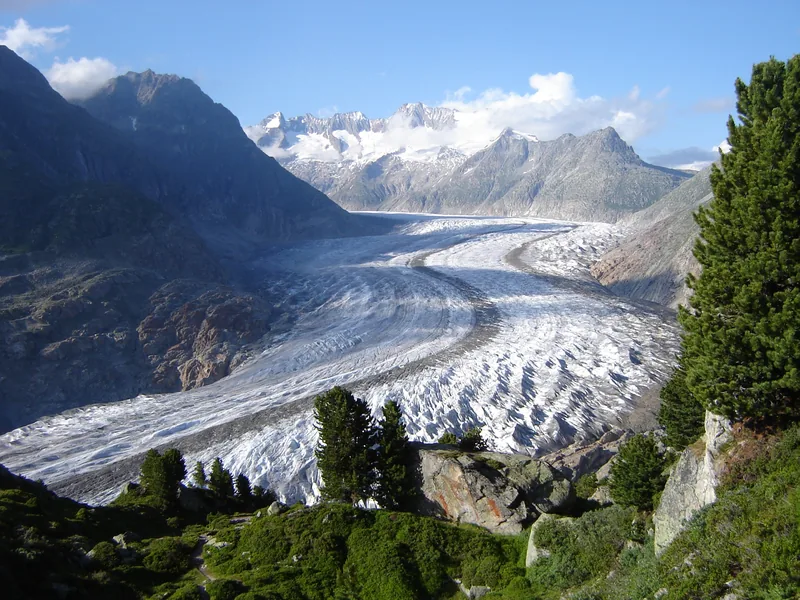
NASA Earthdata’s wording is the default card because it says the quiet part out loud: “Correctly speaking, Earth remains in an ice age.” Today, the same page says, is an interglacial. [source] Ice sheets still sit on Antarctica and Greenland. NSIDC says Earth now has just those two. [source] [source]
The USGS image title is not a typo, and it is not treated here as a lesser page. “We're not in an ice age at the moment, but ice caps are still present.” The last ice age, that caption says, was about 20,000 years ago. [source] Read beside NASA Earthdata, it is a reminder that “ice age” can mean the cold peak, or the longer interval that still includes us.
USGS Fact Sheet fs2-00 is closer to the second of those uses when it talks about the present: “Today we are living in the most recent interglacial, an interval that started about 10,000 years ago and is called the Holocene Epoch by geologists.” [source] NOAA’s NCEI, in an October 2021 sheet, says the most recent glacial period occurred between about 120,000 and 11,500 years ago, and that since then Earth has been in an interglacial period called the Holocene. [source] Ten thousand, and 11,500, are both official, and they are not averaged.
Climate.gov uses the informal sense on purpose: cold periods “informally referred to as ‘ice ages,’ or ‘glacials’,” and warm periods “interglacials,” on roughly 100,000-year cycles for at least the last 1 million years. [source]
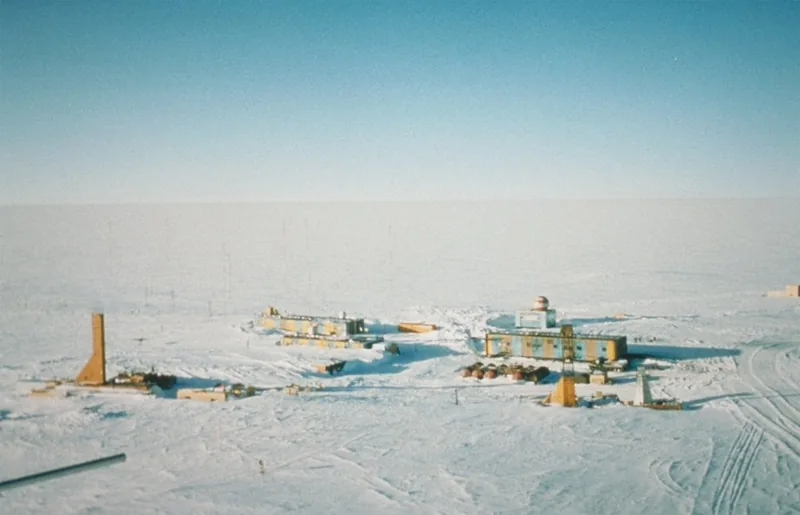
A NOAA Global Monitoring Laboratory classroom sheet says “The last ice age ended about 12,000 years ago,” and oversimplifies the orbital cause as Earth being closer to or further from the Sun. [source] That classroom wording is quoted here only as a contrast, and labelled as a classroom sheet. The orbital cycles themselves — eccentricity, obliquity, precession — belong on NASA’s Milankovitch page, and on the seasons desk still on the way at seasons.climates.im. [source]
Enjoyed a desk of official ice-age wording, unblended, and the marks glaciers still leave?
No pop-ups. No intrusive advertising. Just interesting stuff. A little support helps the next climates.im site get built.