Footprints in the mud
People of the Ice Age
People lived through the last ice age. They walked beside mammoths, crossed land that is now sea floor, and painted the animals they saw. Some of their footprints are still there.
The footprints at White Sands
White Sands National Park in New Mexico has the largest collection of fossilised human footprints, according to the National Park Service, scattered across the bed of the ancient Lake Otero. [NPS] In 2006 scientists noticed dark spots on the lake bed that appeared to be footprints. [NPS] When the grasslands were there, they would have looked more like the prairies of the Midwest than the New Mexico desert of today. [NPS]
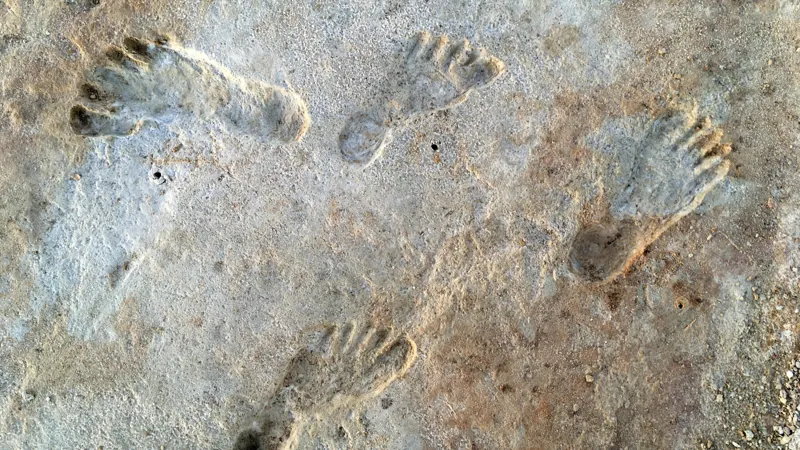
The age caused a stir. US Geological Survey researchers and an international team announced that the footprints were between 21,000 and 23,000 years old. [USGS] The first dates came from seeds of a common water plant, Ruppia cirrhosa, found in the footprints. To check them, the team radiocarbon-dated conifer pollen from the same layers, because pollen from land plants avoids problems that can come with dating water plants. They isolated about 75,000 pollen grains for each sample. [USGS]
The National Park Service says the latest research shows humans have lived in North America and the Tularosa Basin for at least 23,000 years. It was previously thought that people arrived closer to 13,500 to 16,000 years ago. [NPS]
A walk with a toddler
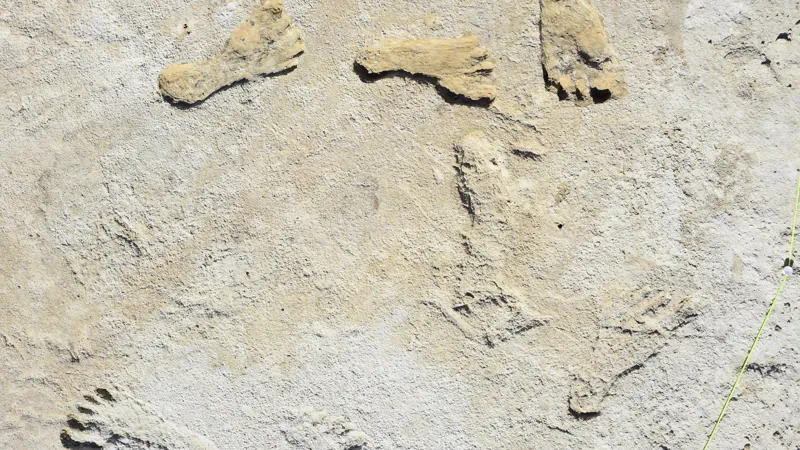
One set of tracks tells a story that may feel familiar. The footprints show a woman walking for almost a mile, with a toddler’s footprints sometimes appearing beside hers. [NPS] The evidence suggests she carried the child, shifting them from side to side and sometimes setting them down. Her footprints broadened and slipped in the mud under the extra weight. [NPS]
The land bridge
The National Park Service says that more than 10,000 years ago, people crossed from East Asia through the Bering Land Bridge into North America, following herds of large mammals, many now extinct, for food and shelter. [NPS] The Bering Land Bridge National Preserve in Alaska is a small remnant of that land, also called Beringia. It was once home to mastodons, mammoths and steppe bison, and is now a breeding ground for reindeer, muskox, caribou and moose. [NPS] The preserve covers 2.7 million acres. [NPS]
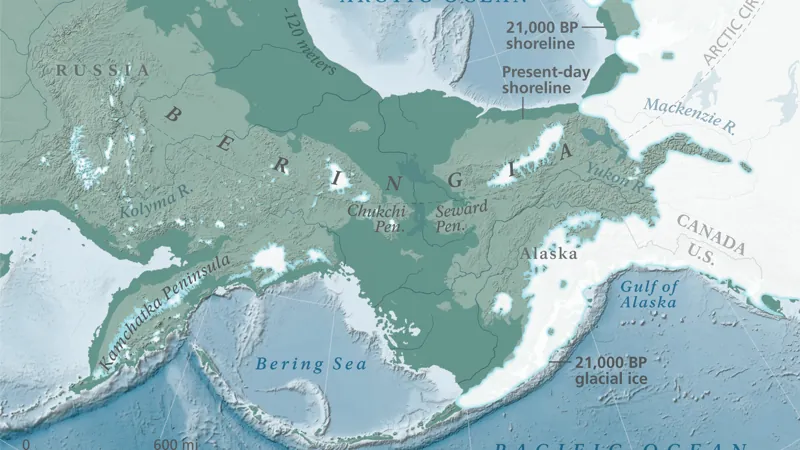
Two dates, two places: “more than 10,000 years ago” is the Bering preserve’s wording for the crossing. “At least 23,000 years” is the White Sands figure for people in North America. They are different statements from different parks, and we keep both.
The painters
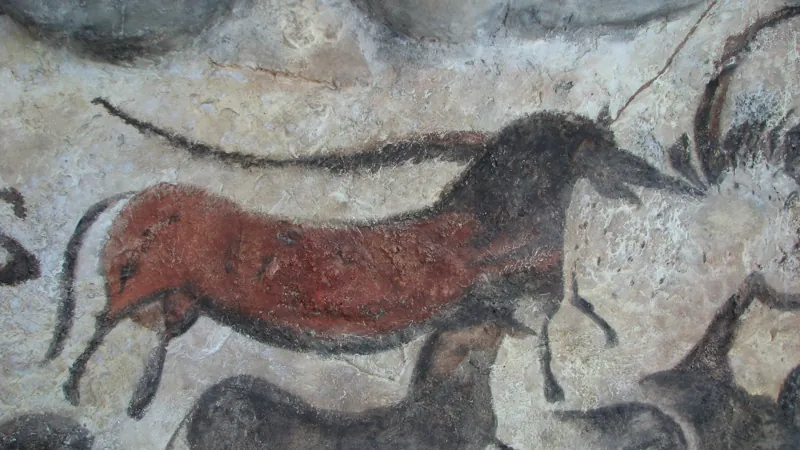
More than 20,000 years ago, people were drawing giant deer on cave walls in what is now southern France, the Natural History Museum notes. [NHM London] The best known painted cave is Lascaux. The French Ministry of Culture says its discovery in 1940 began a new era in knowledge of prehistoric art and human origins. [French Ministry of Culture] The original works are inaccessible. Lascaux II, Lascaux III and, since 2016, Lascaux IV, the International Centre for Parietal Art, let visitors see the inaccessible works. [French Ministry of Culture]
Cheddar Man
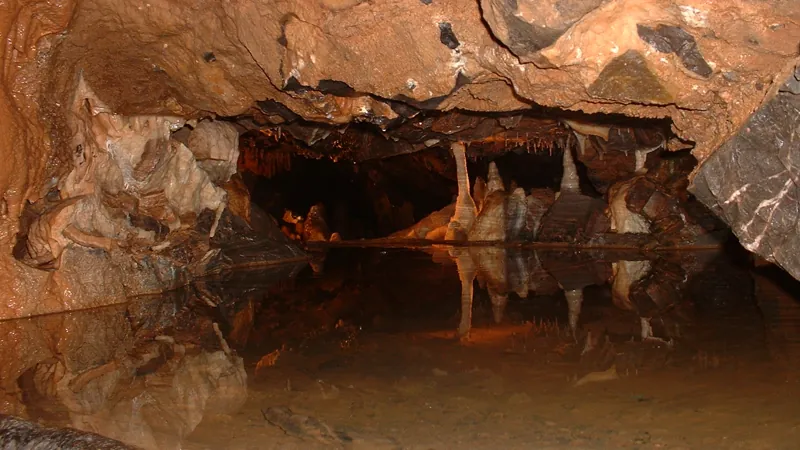
Britain’s oldest almost complete skeleton of our species belongs to Cheddar Man, who lived around 10,000 years ago. [NHM London] His skeleton was found in 1903 during drainage work in Gough’s Cave, a popular tourist attraction at Cheddar. [NHM London] Ancient DNA shows a Mesolithic hunter-gatherer with dark skin and blue eyes. [NHM London] The museum’s scientists say it was long assumed that people quickly developed paler skin after entering Europe about 45,000 years ago, but Cheddar Man has the genetic markers of skin pigmentation usually associated with sub-Saharan Africa. [NHM London] It seems pale eyes reached Europe long before pale skin or blond hair, which did not arrive until after farming. [NHM London] The cool, steady conditions of the cave and layers of mineral deposits helped preserve his DNA. [NHM London]
More British ice age stories, from Doggerland to the Isle of Man, are on Ice Age Britain.
Enjoyed a desk of official ice-age wording, unblended, and the marks glaciers still leave?
No pop-ups. No intrusive advertising. Just interesting stuff. A little support helps the next climates.im site get built.